AI Made It. We Can Tell.
AI is everywhere in design right now.
Flyers. Posters. Social graphics. Ads. Logos. Event invitations. Entire brand identities. With a few words typed into a prompt, you can generate something polished-looking in seconds.
And somehow, everything is starting to look the same.
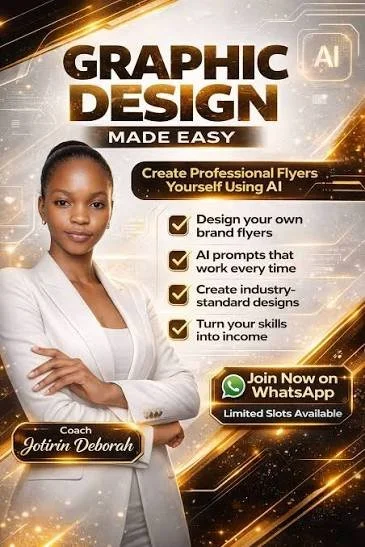
You know the look…
The dramatic lighting. The impossibly glossy product. The suspiciously perfect people. The typography that almost works until you actually try to read it. The dreamy gradients. The slightly surreal details. The image that makes you stop scrolling, but maybe not for the reason the brand intended.
There’s a new reaction happening when we see AI-generated creative:
“Yikes. AI.”
And that reaction is worth paying attention to.
I Use AI. A Lot.
This isn’t an anti-AI manifesto.
I use AI constantly.
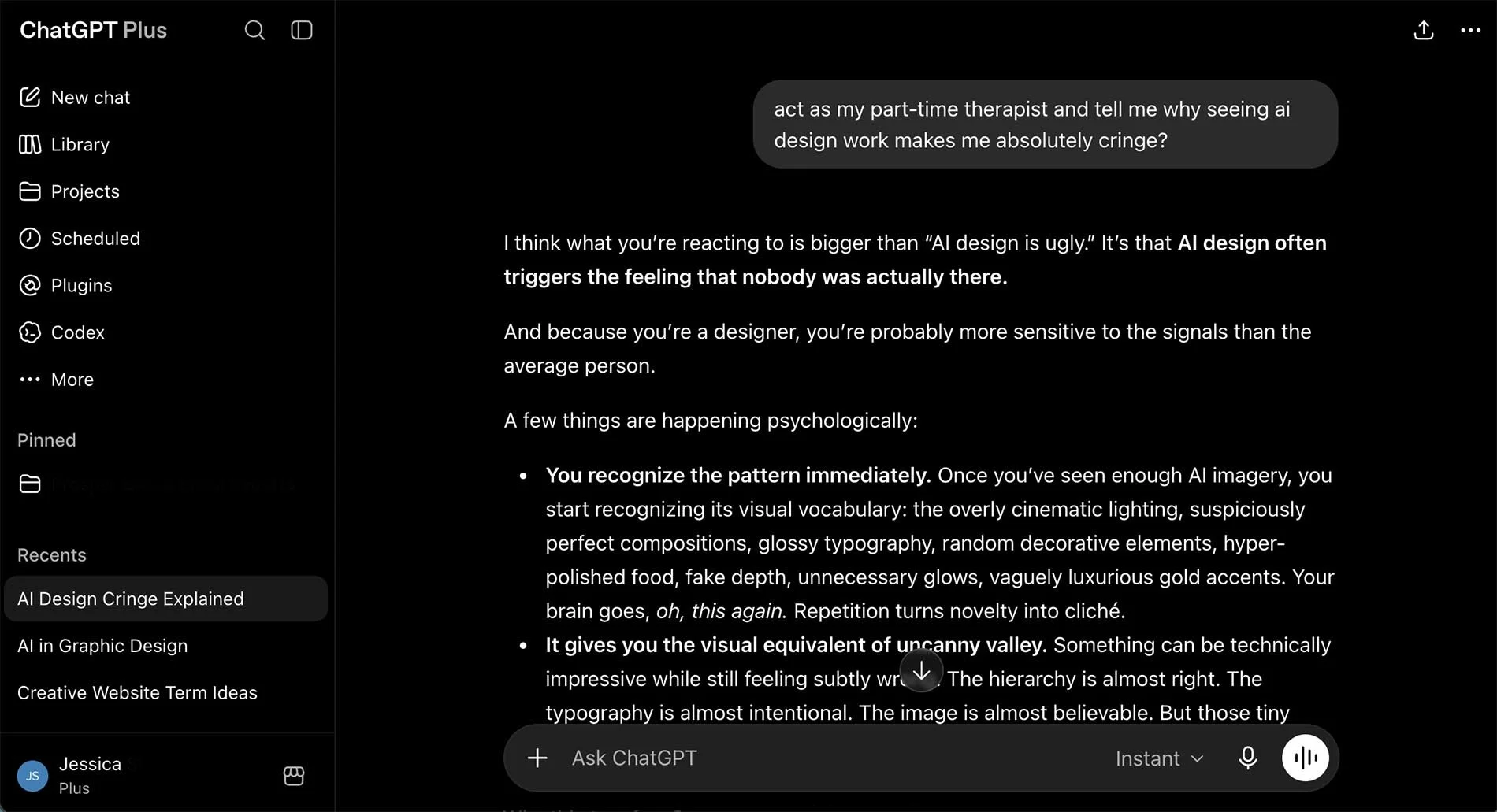
I’ve used it to plan recipes based on whatever random ingredients are left in my refrigerator. I’ve asked it how to decorate rooms in my house. I use it to brainstorm ideas, organize thoughts, work through problems, and get past the terrifying blank page at the beginning of a project.
I even used AI to help me write the copy for this very post.
I’ve had conversations with ChatGPT that have bordered on mini therapy sessions. It’s an incredibly powerful tool, and I think we’re only scratching the surface of what it can do.
But for me, that’s exactly what it is:
A tool. A jumping-off point. Not the finished product.
There’s an important difference between using AI as part of the creative process and asking AI to be the creative process.
We Can Tell
Maybe AI-generated design felt impressive a year or two ago because it was new.
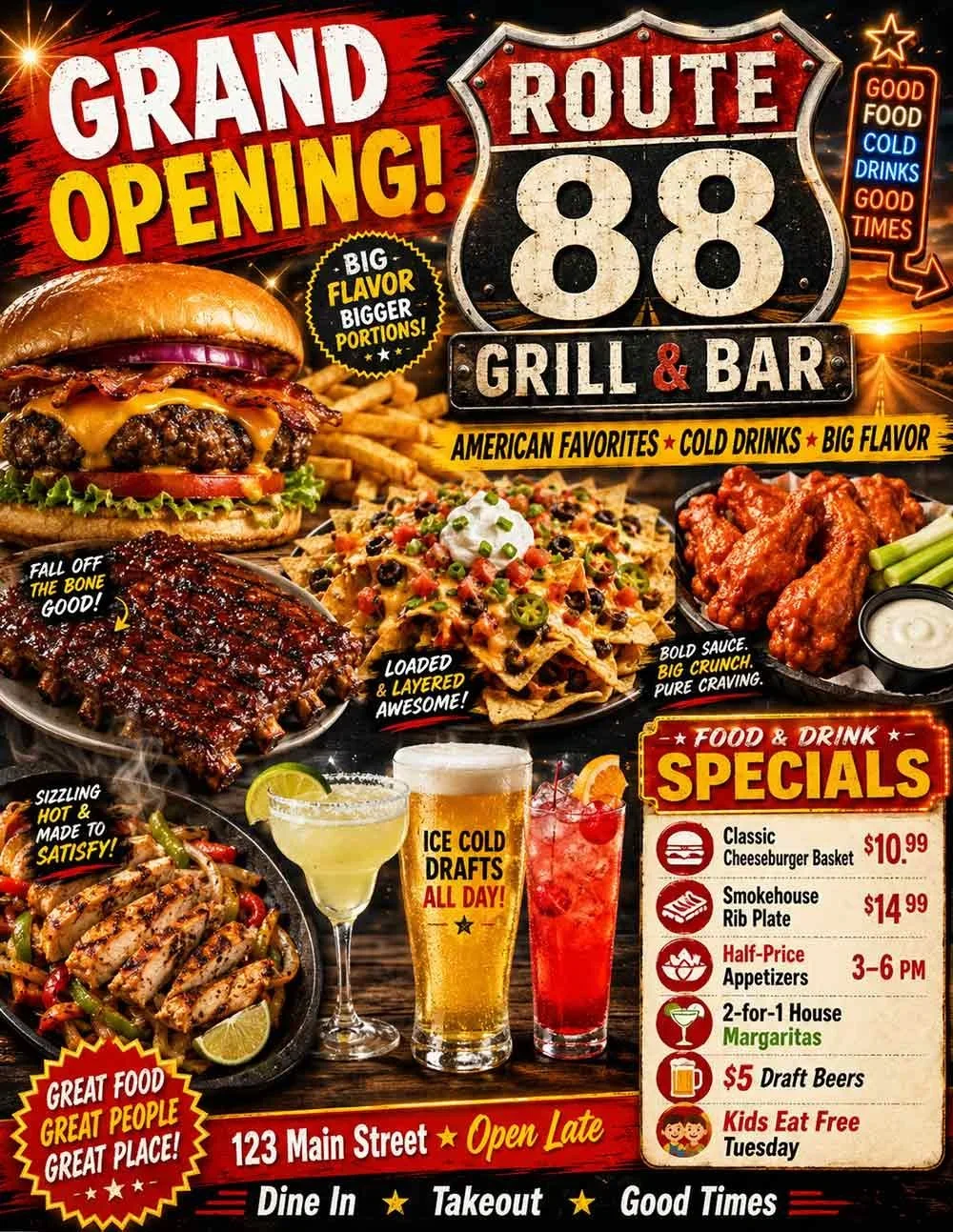
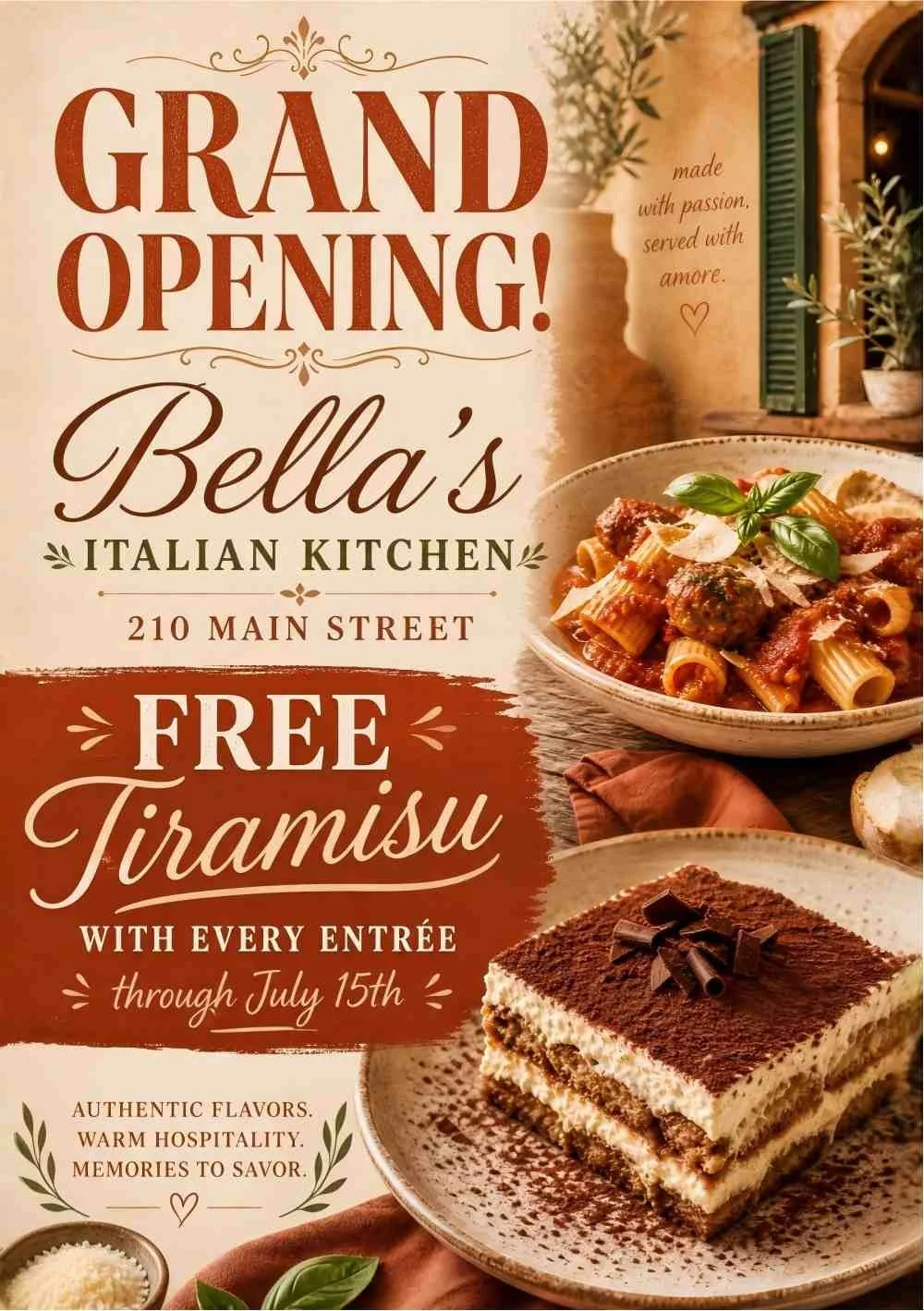
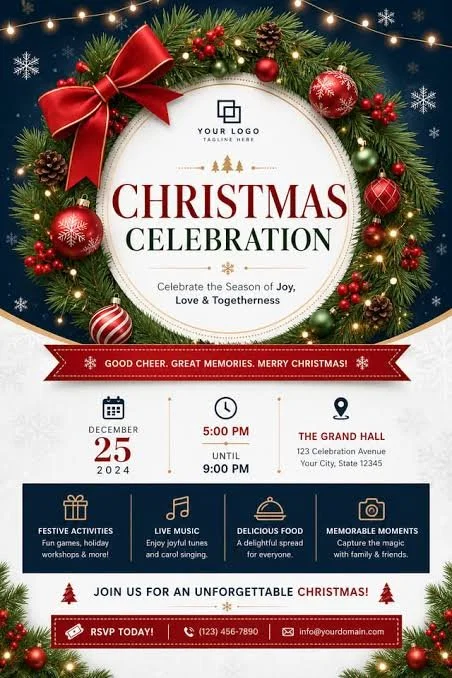
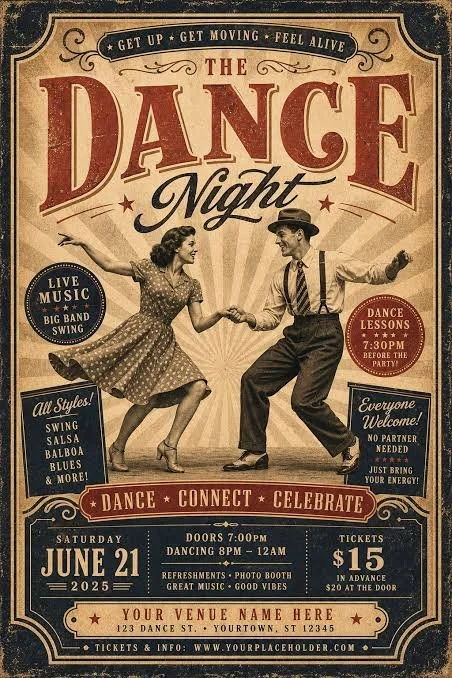
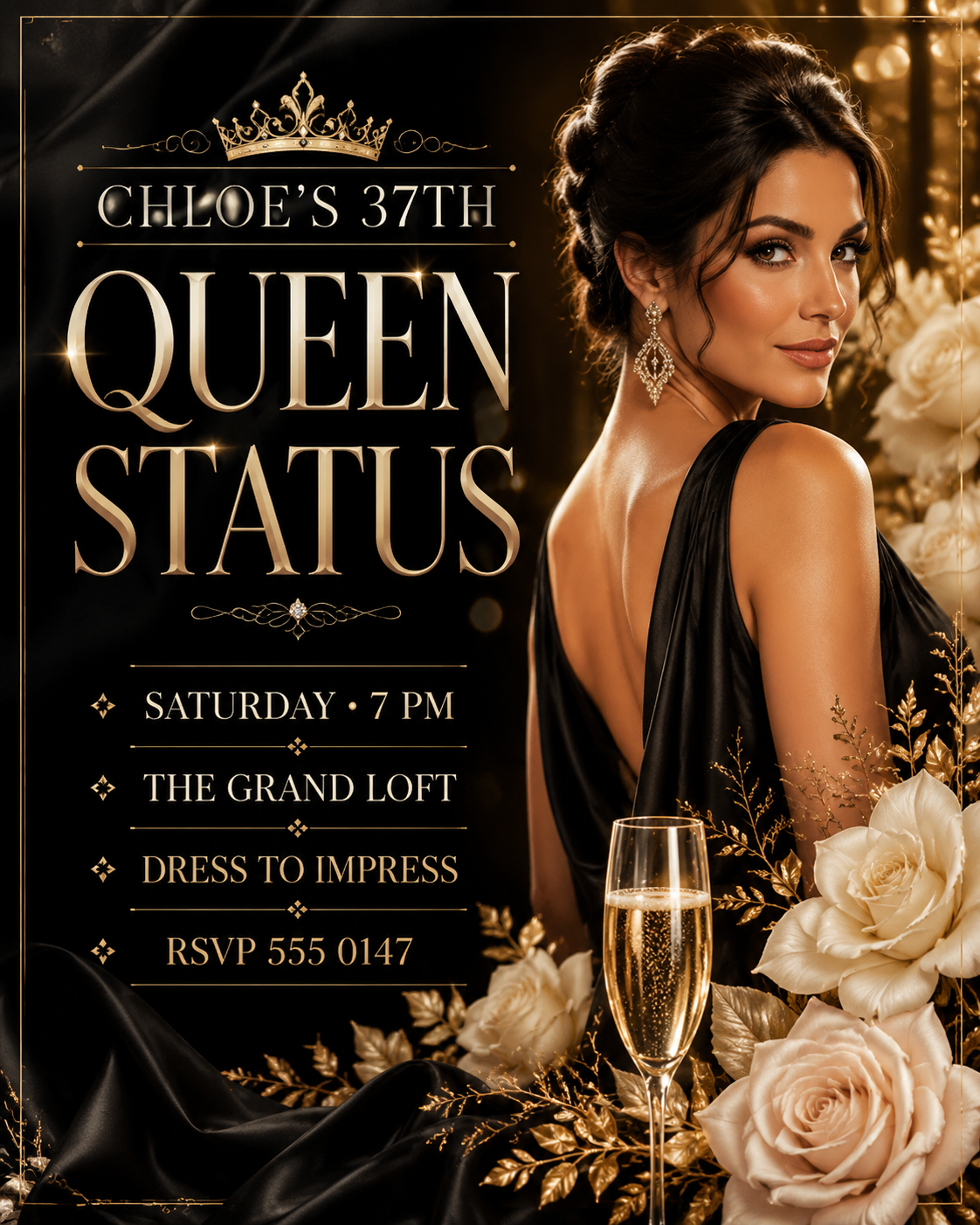
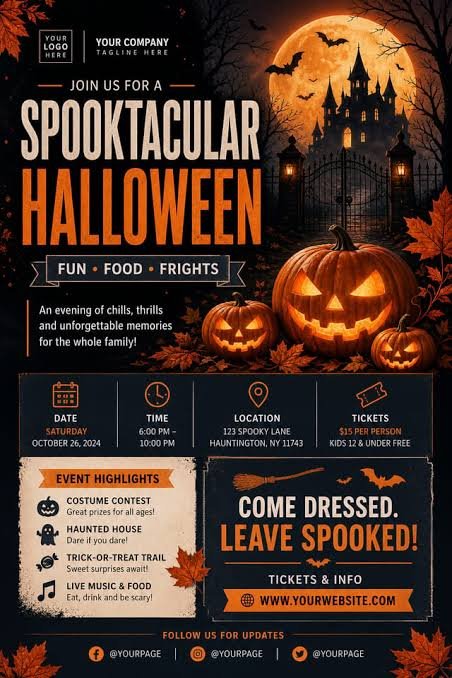
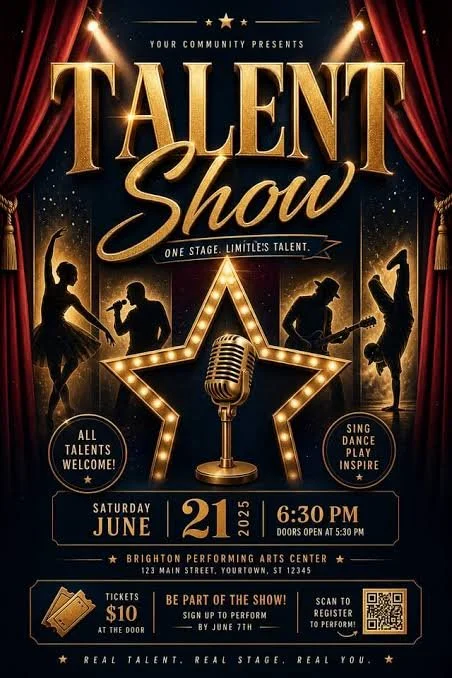
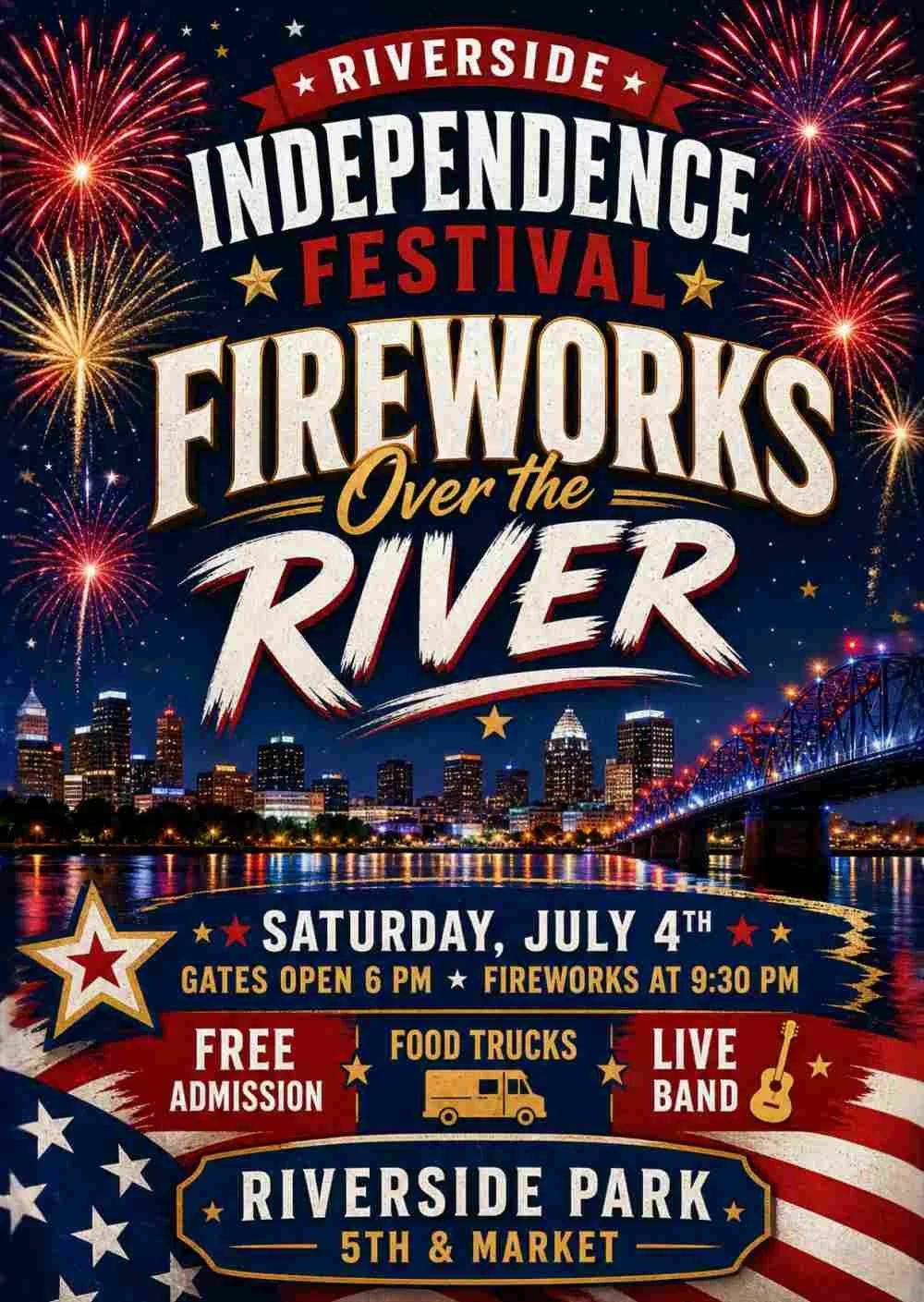
Now, we recognize it almost instantly (see flyers at the end of this post).

And the more AI-generated creative we see, the better we become at spotting it (i.e. a person with 7 fingers on one hand).
There’s a certain sameness to it. The images may technically be different, but the feeling behind them often isn’t.
That’s where I think brands need to be careful.
The question is no longer just, “Can AI make this?”
Of course it can.
The better question is:
“Should AI be the thing making this?”
Because your customers are getting better at recognizing when nobody was really behind the creative.
Design Is More Than Making Something Look Good
Graphic design has never just been about making things pretty.
When I work with a client, I’m listening.
Sometimes to what they’re saying. Sometimes to what they’re not saying.
I’m learning what they care about. Who their customers are. What they want someone to feel when they see their brand. What they love. What they hate. What they’re trying to become.
Those conversations influence everything.
The typeface.
The colors.
The spacing.
The photography.
The weird little detail we decide to include because it means something to the founder.
The decision to make something louder, quieter, stranger, cleaner, warmer, more sophisticated, or more playful.
Those choices don’t come from a prompt. They come from context.
They come from conversations, experiences, instincts, taste, and sometimes a client saying, “I don’t know exactly what I want, but I’ll know it when I see it.”
Which, for the record, remains one of the most terrifying sentences in graphic design.
But it’s also part of the job.
Your Brand Has a Personality. AI Has a Prompt.
Good branding should feel like someone.
There should be a point of view behind it.
When everything is optimized, generated, polished, and perfected by the same handful of AI tools, brands start losing the little imperfections and unexpected decisions that make them recognizable.
And I think people are beginning to crave those things again.
The hand-drawn illustration.
The slightly weird headline.
The photograph that feels real instead of impossibly perfect.
The typography someone clearly obsessed over for an unreasonable amount of time.
The idea that makes you think, Who came up with that?
Human creativity isn’t always efficient.
That’s kind of the point.
The Best Use of AI Isn’t to Replace the Designer
AI can absolutely make designers better.
It can help us explore ideas faster. It can create visual references for concepts that would otherwise be difficult to explain. It can help with research, brainstorming, moodboarding, writing, organization, and experimentation.
It can get us from zero to something.
But then someone needs to take that something somewhere.
That’s where the human comes back in.
The designer asks whether it actually makes sense for the brand. Whether it communicates the right thing. Whether it feels original. Whether the typography works. Whether someone will understand it in three seconds. Whether it looks like every other AI-generated ad in their feed.
Most importantly: Does it feel like you?
Because “technically impressive” and “meaningful” are two very different things.
We’re Not Just Making Things. We’re Telling Stories.
At the end of the day, graphic design is communication.
We use art, type, photography, color, composition, words, and sometimes a frankly irresponsible number of open Adobe files to tell a story.
That story comes from somewhere.
It comes from conversations with the people behind the business. It comes from understanding why the company exists, what makes it different, and how it wants people to feel.
AI can help us tell that story.
But it shouldn’t automatically become the storyteller.
There are plenty of things AI will replace, automate, or completely change. Graphic design will absolutely evolve because of it.
But I think we’re already discovering something interesting along the way:
The more artificial things become, the more valuable humanity starts to feel.
Maybe the future of design isn’t about competing with AI to see who can make something faster.
Maybe it’s about using AI for what it does exceptionally well, while doubling down on the things humans do exceptionally well.
Taste.
Empathy.
Curiosity.
Humor.
Instinct.
Imperfection.
Connection.
And occasionally knowing that, no, the client’s logo absolutely does not need to be bigger.
Honorable Mentions:
AI Designs We’ve All Seen Before
No discussion about AI-generated design would be complete without recognizing some of its greatest hits.
You may not have seen these exact flyers. But you have absolutely seen these flyers.
Let’s Make Something That Doesn’t Look AI-Generated.
Wild concept, I know. Tell me about your project.